

 En
En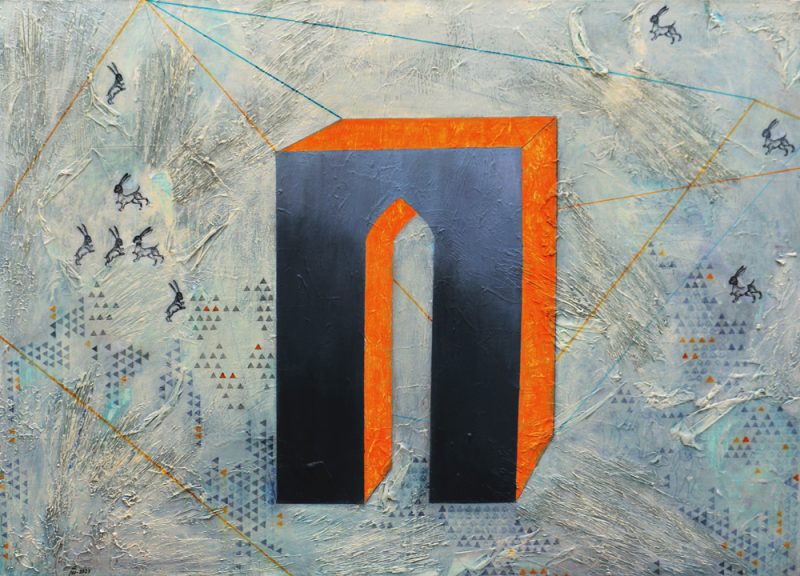
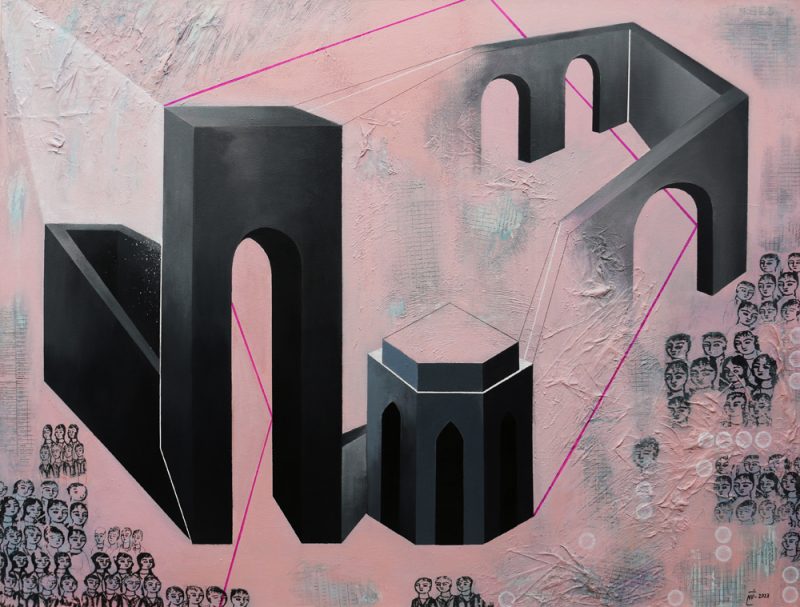
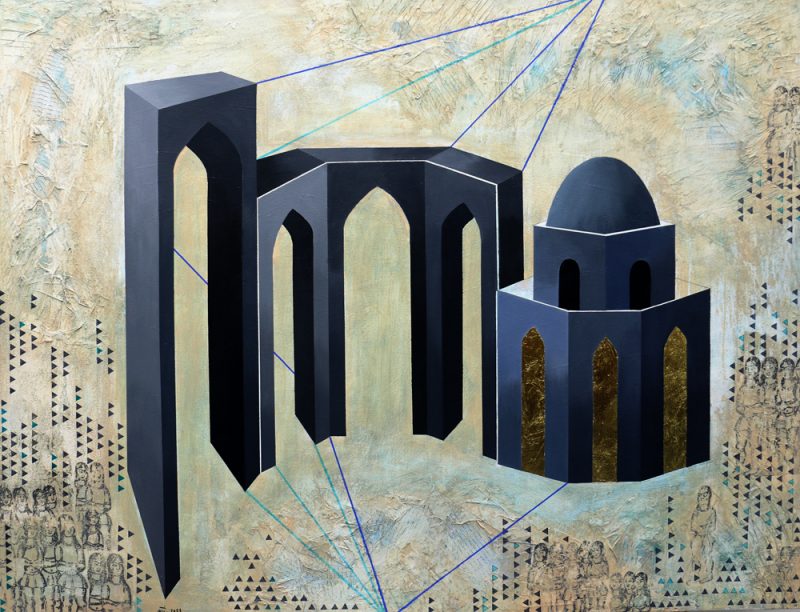

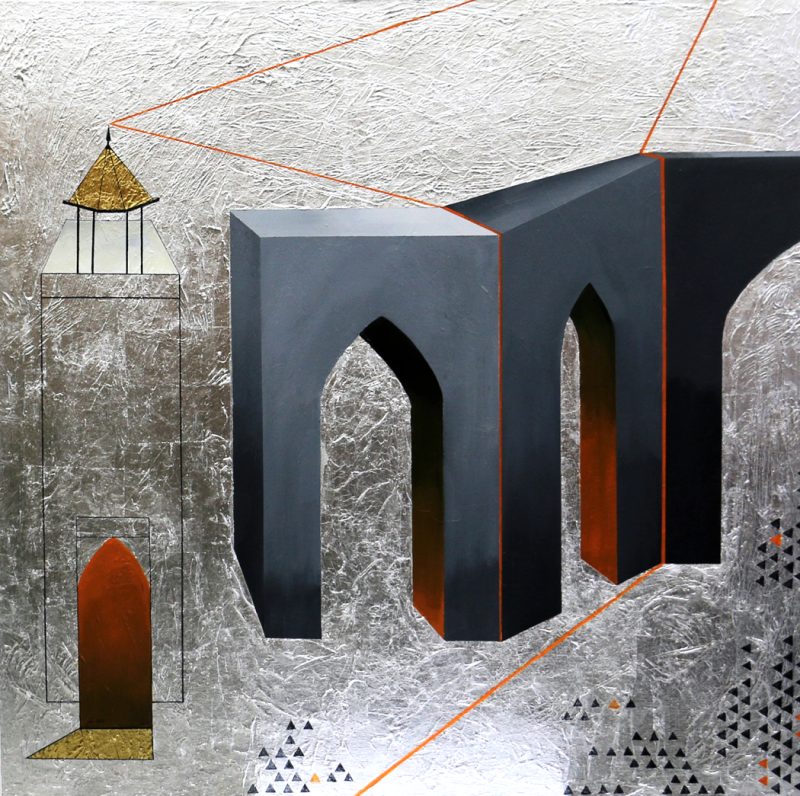
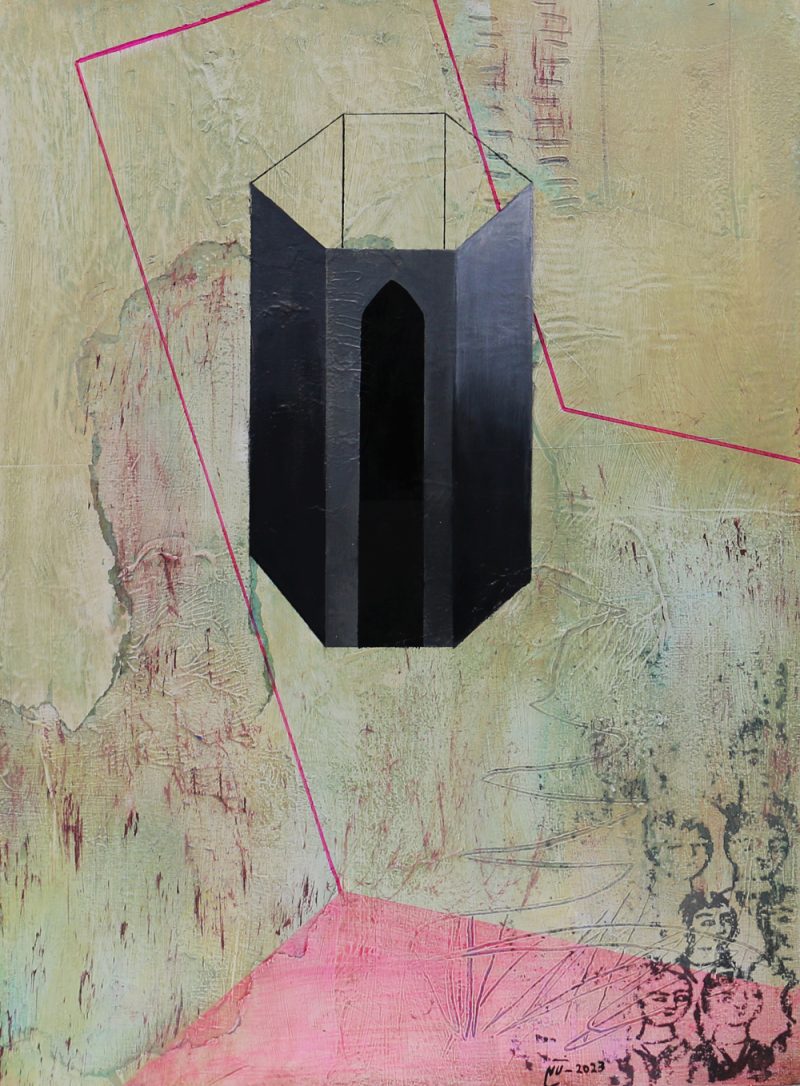
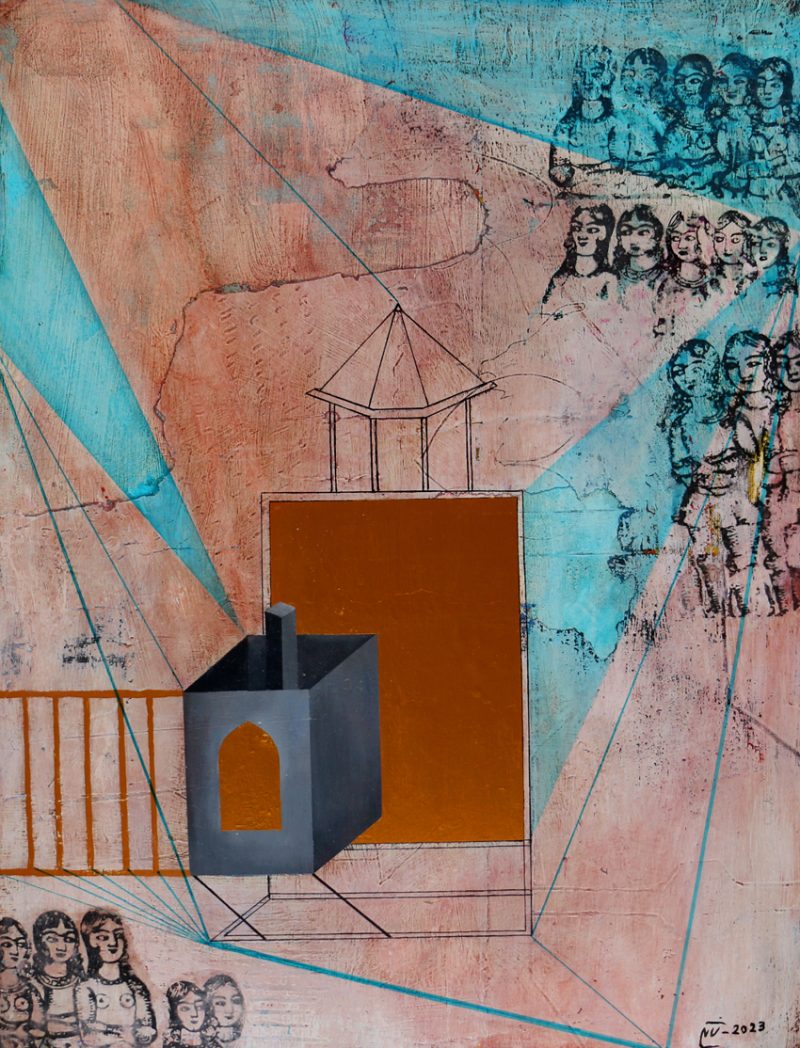
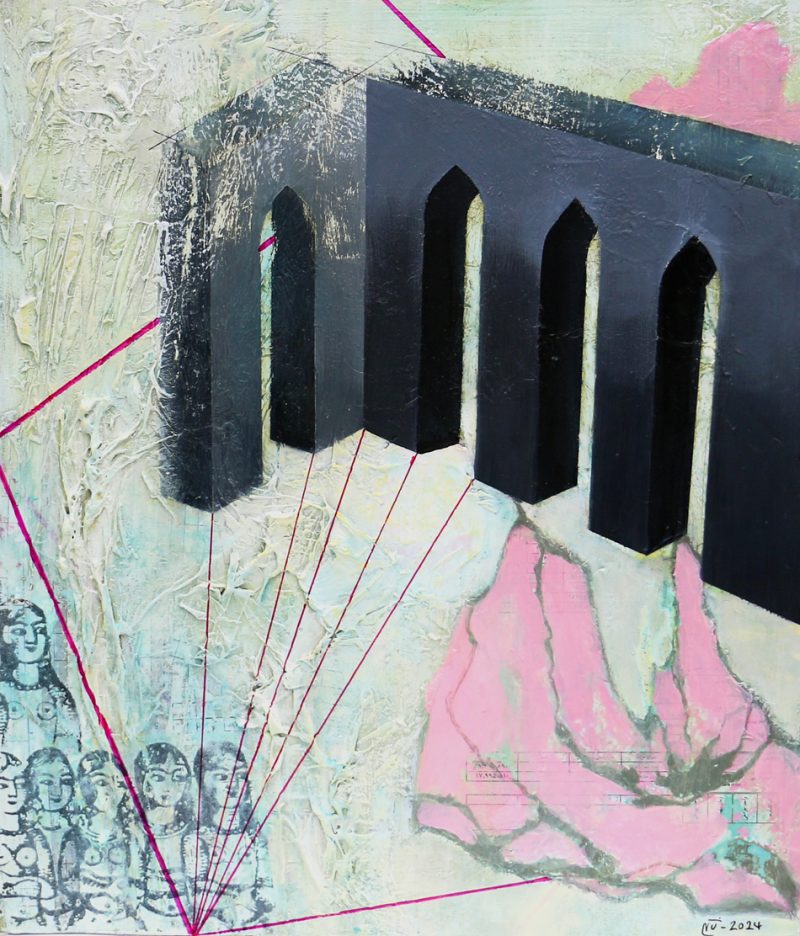
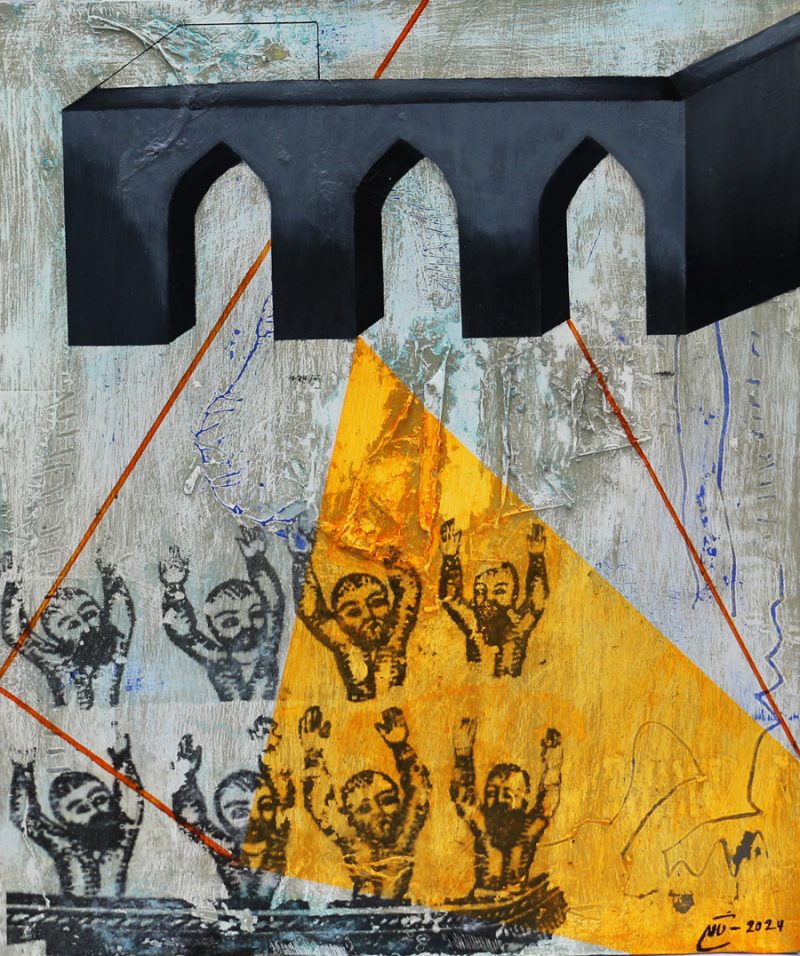


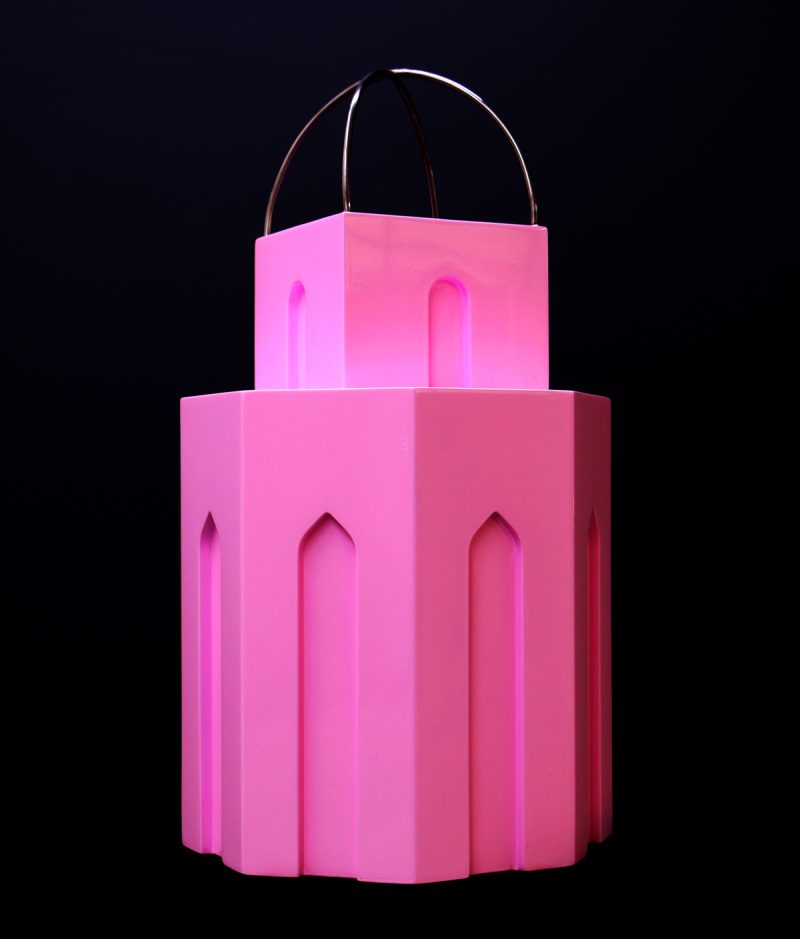
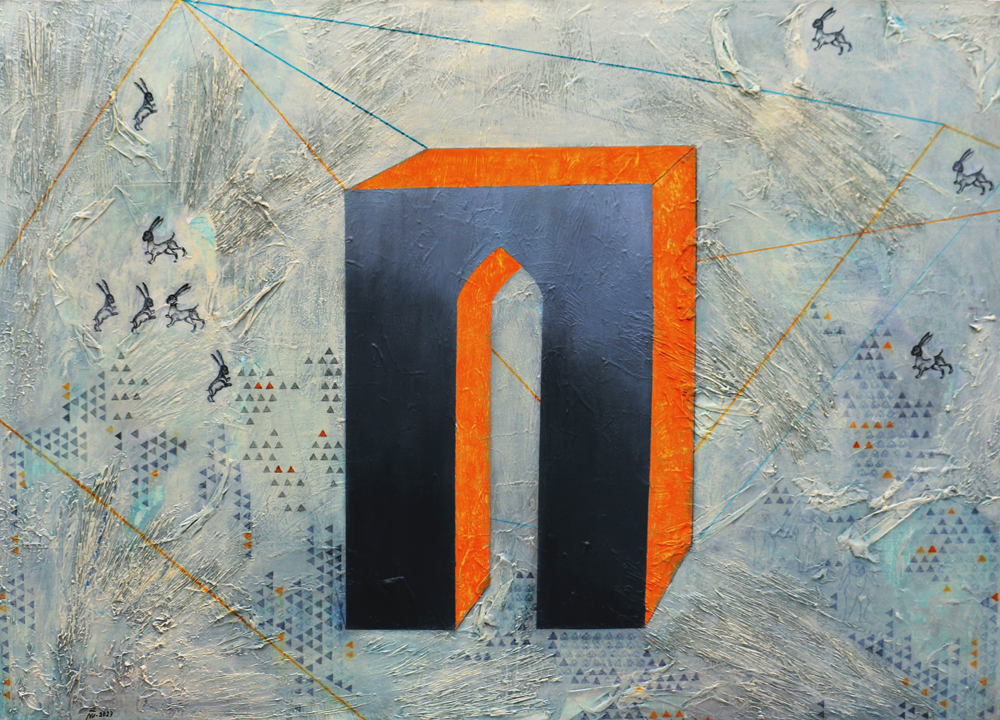
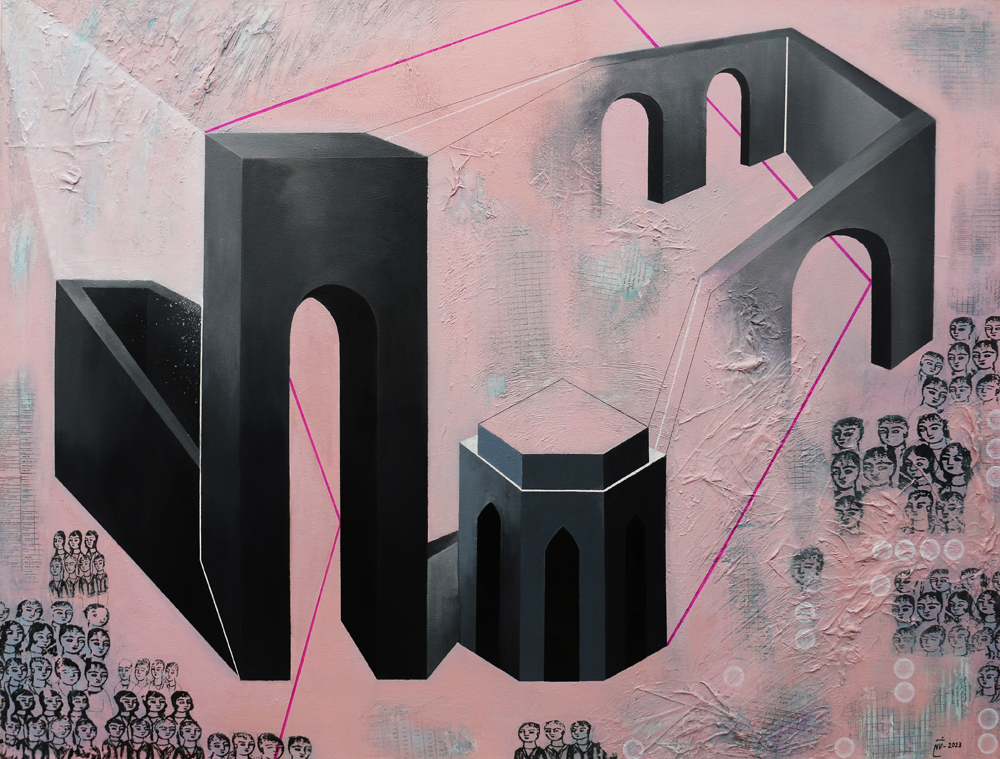
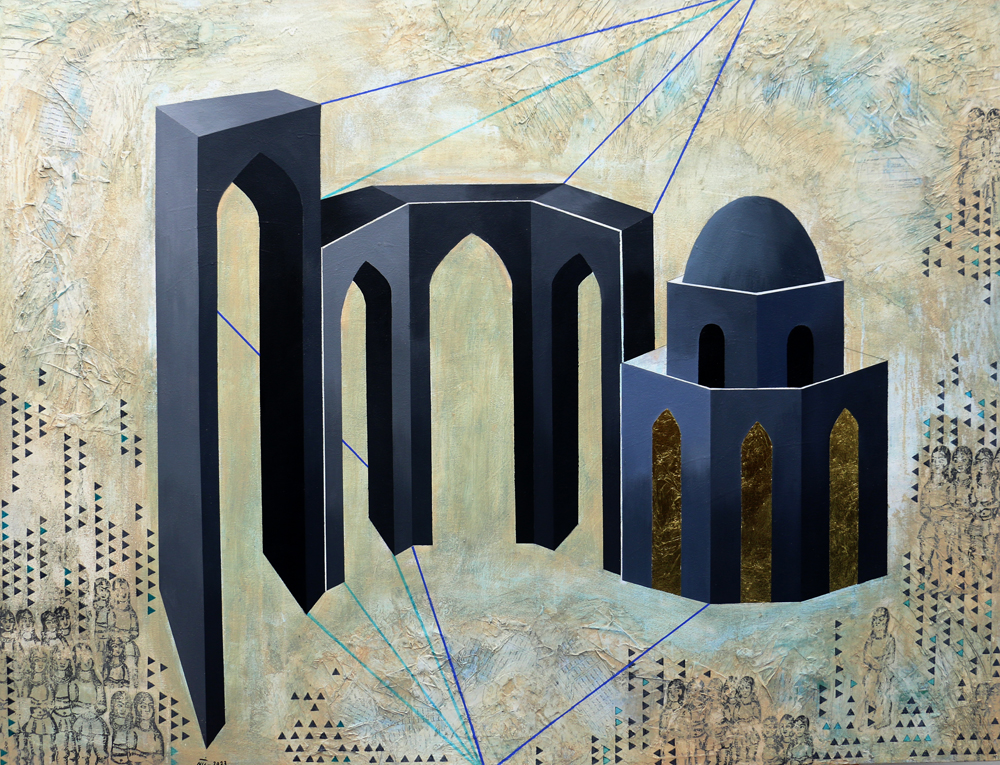
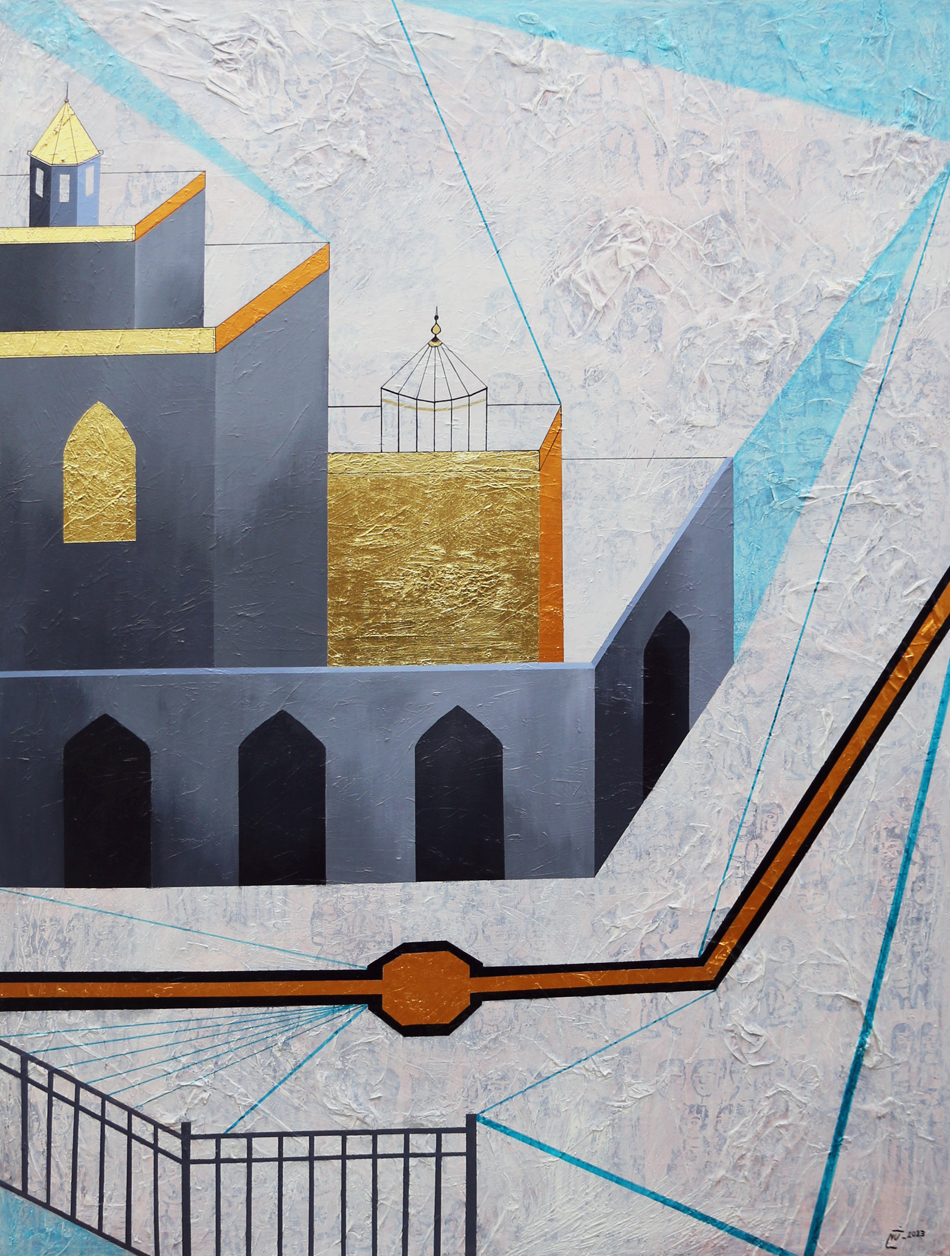
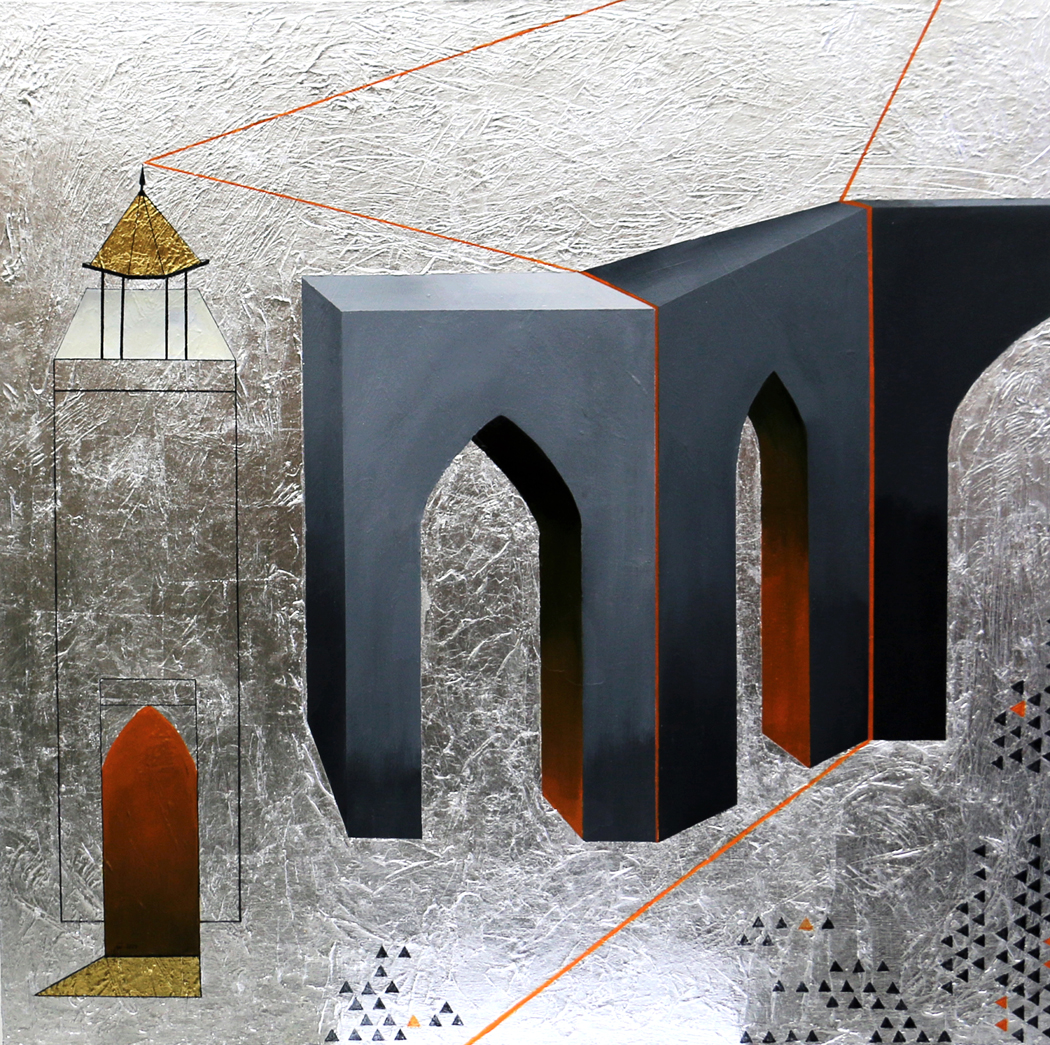
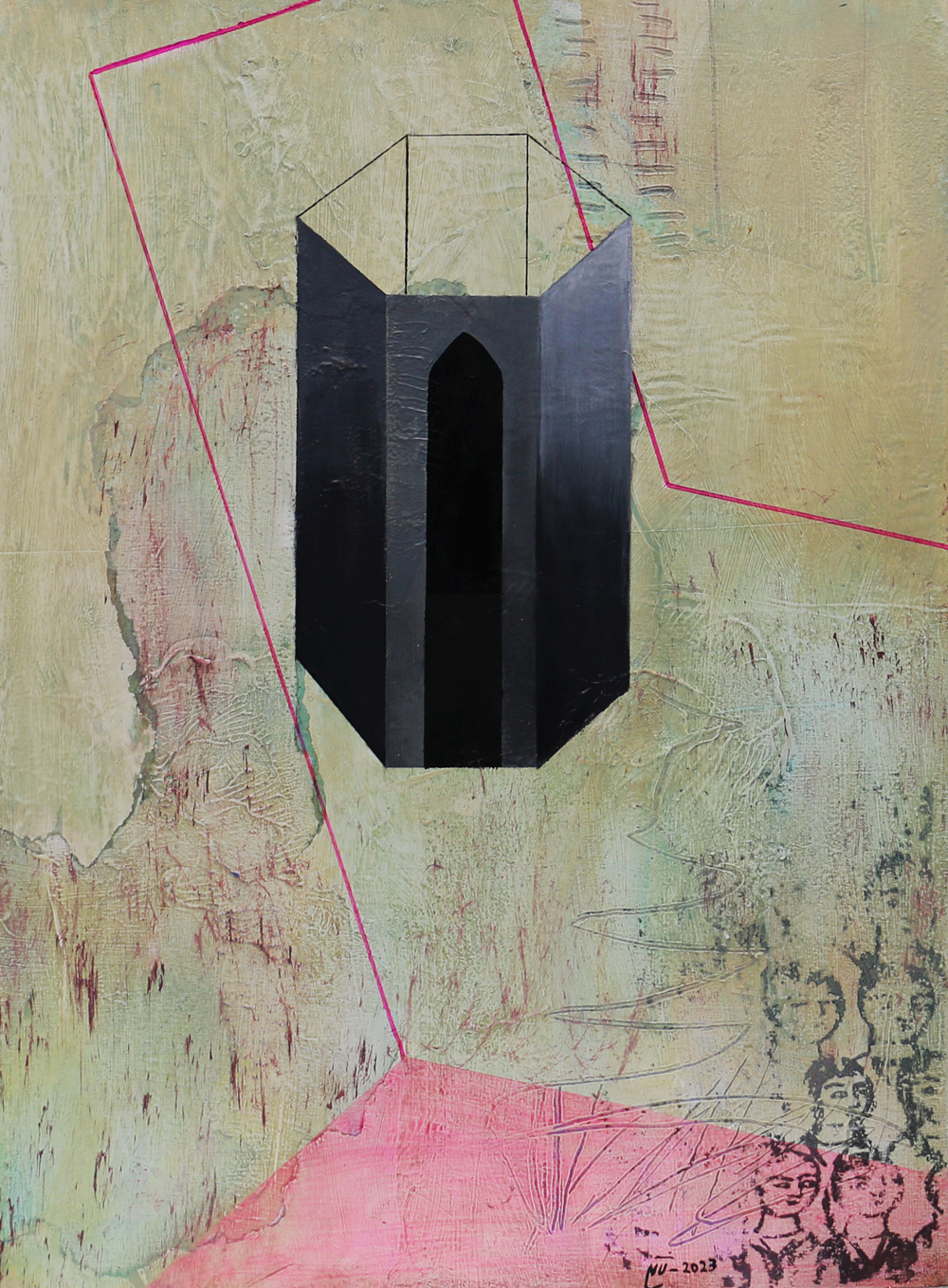
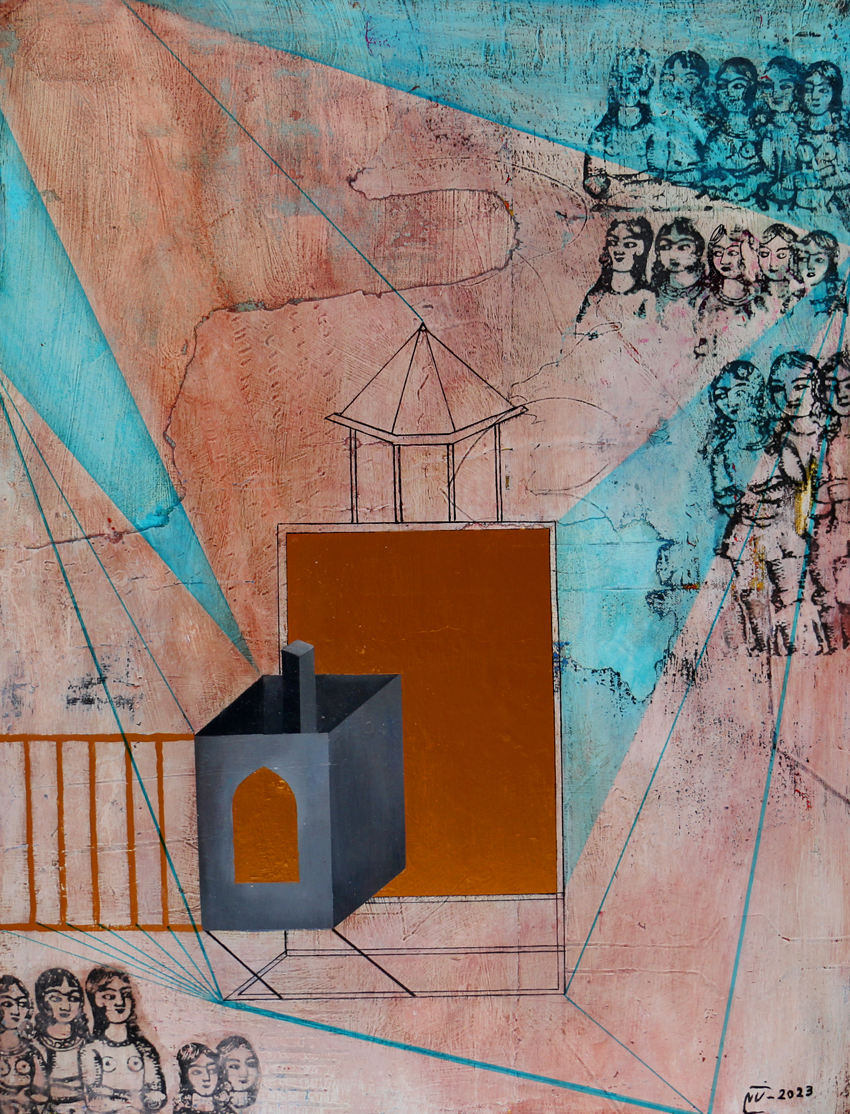
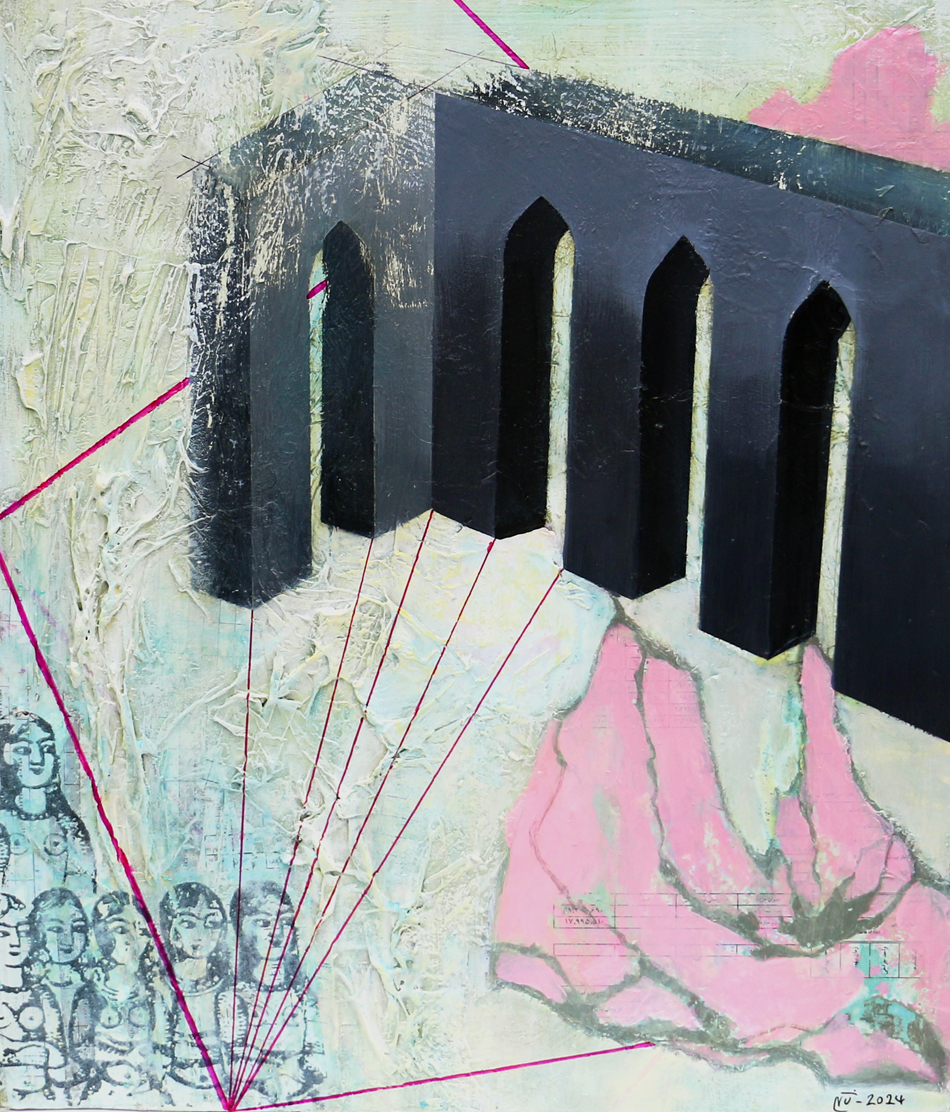
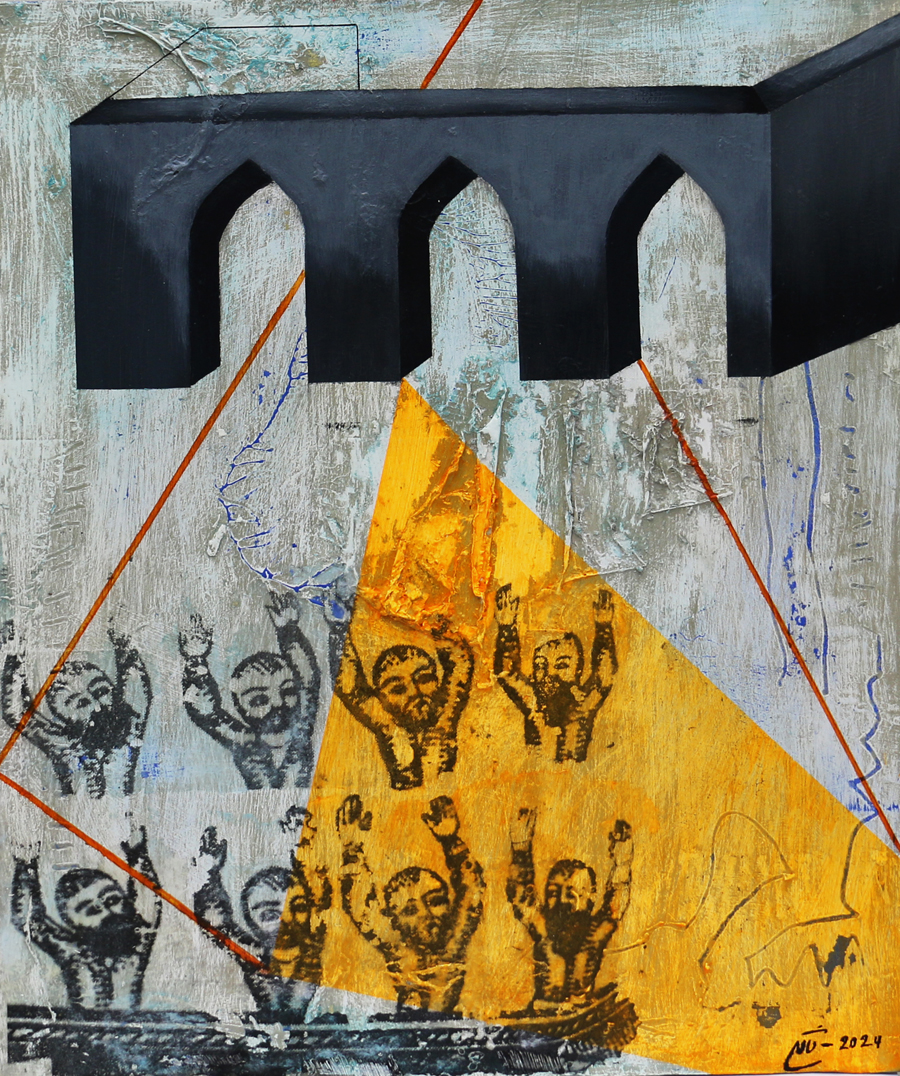
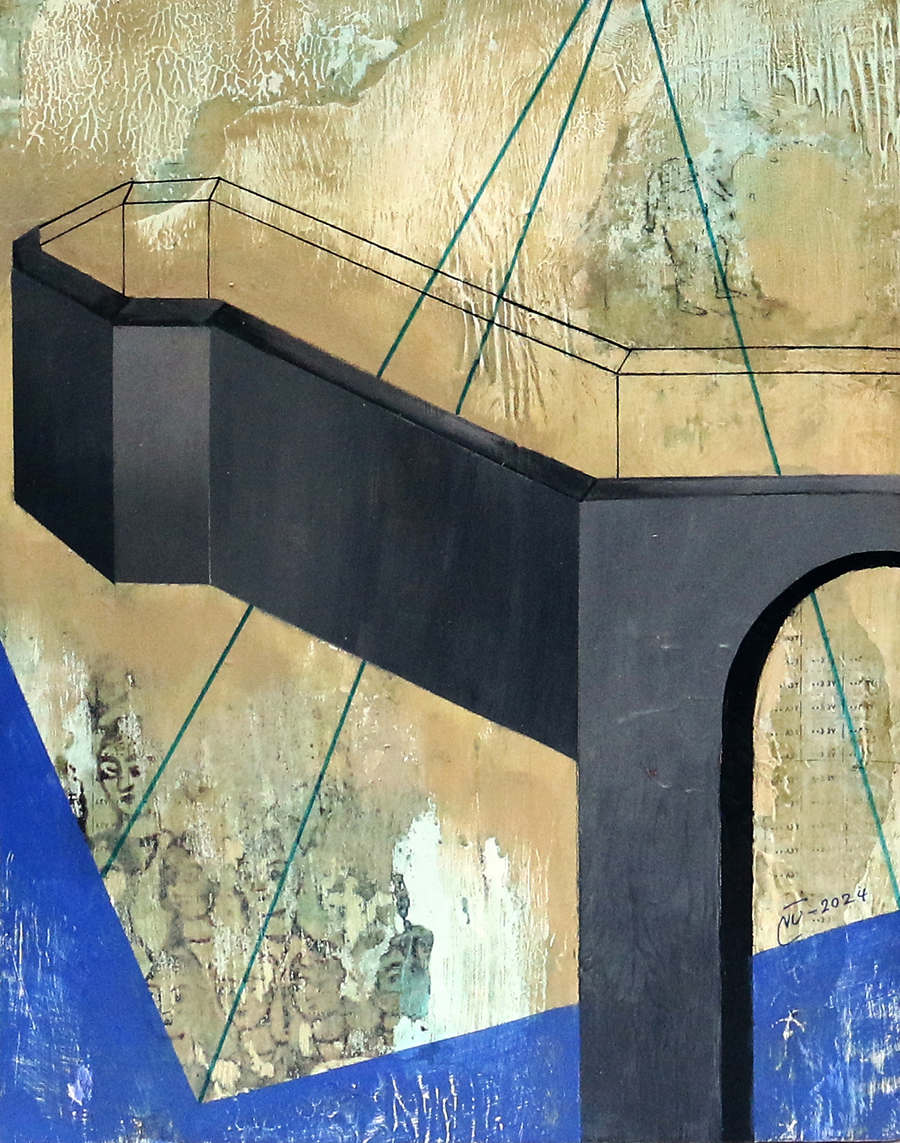
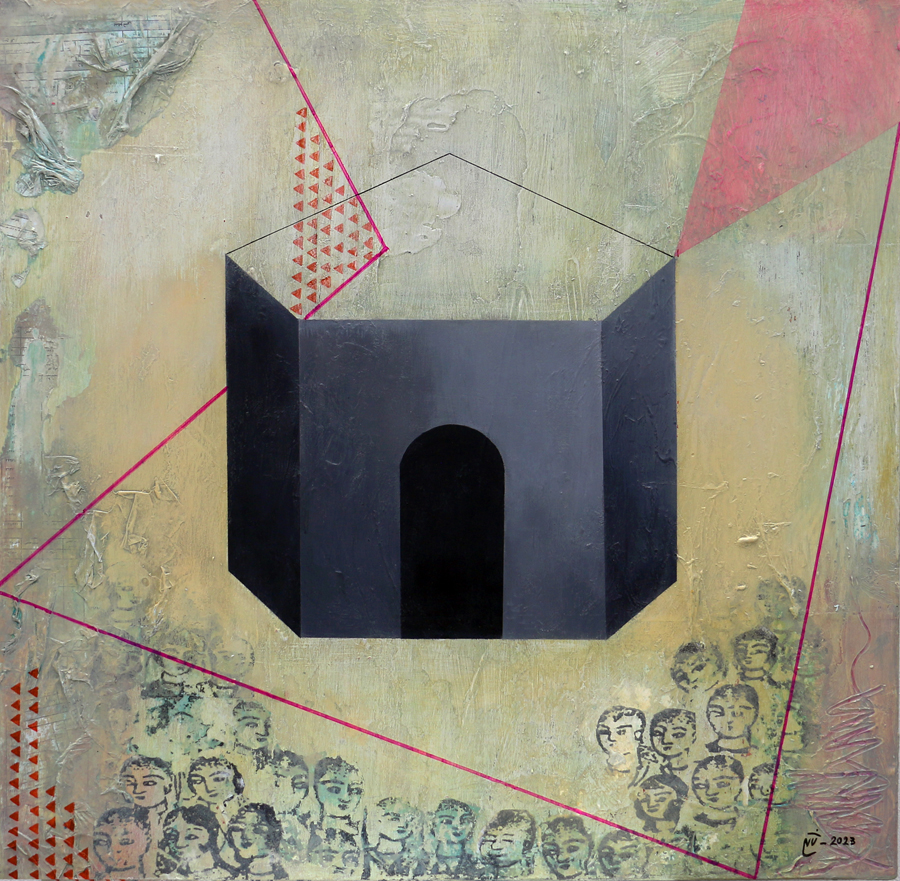

The land of plastic traumas
Artist: Fatemeh Jaleh
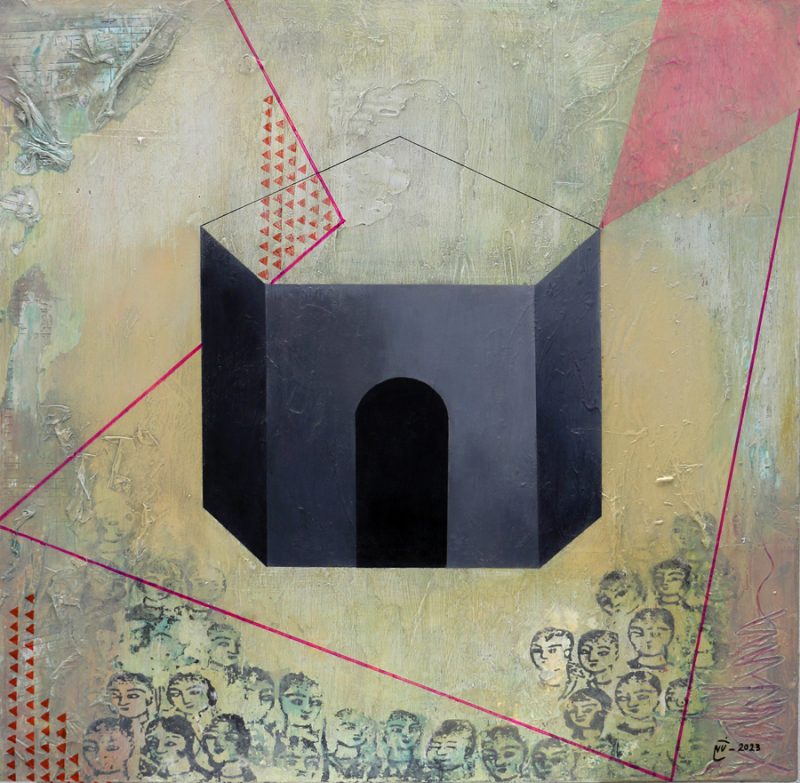
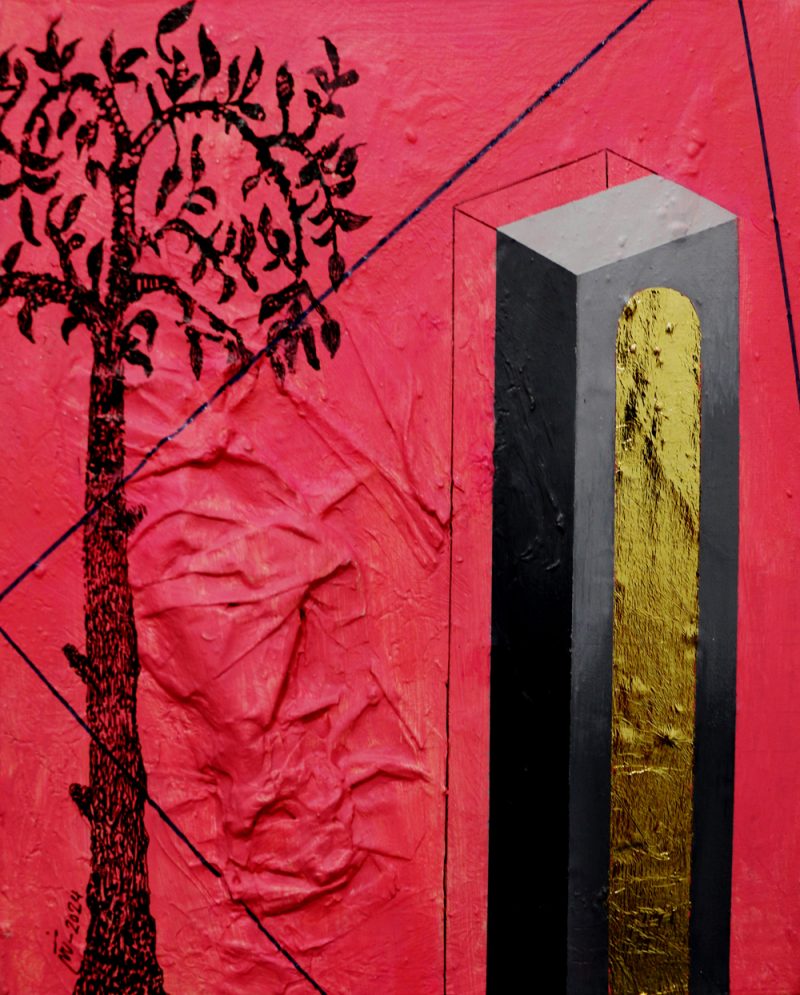
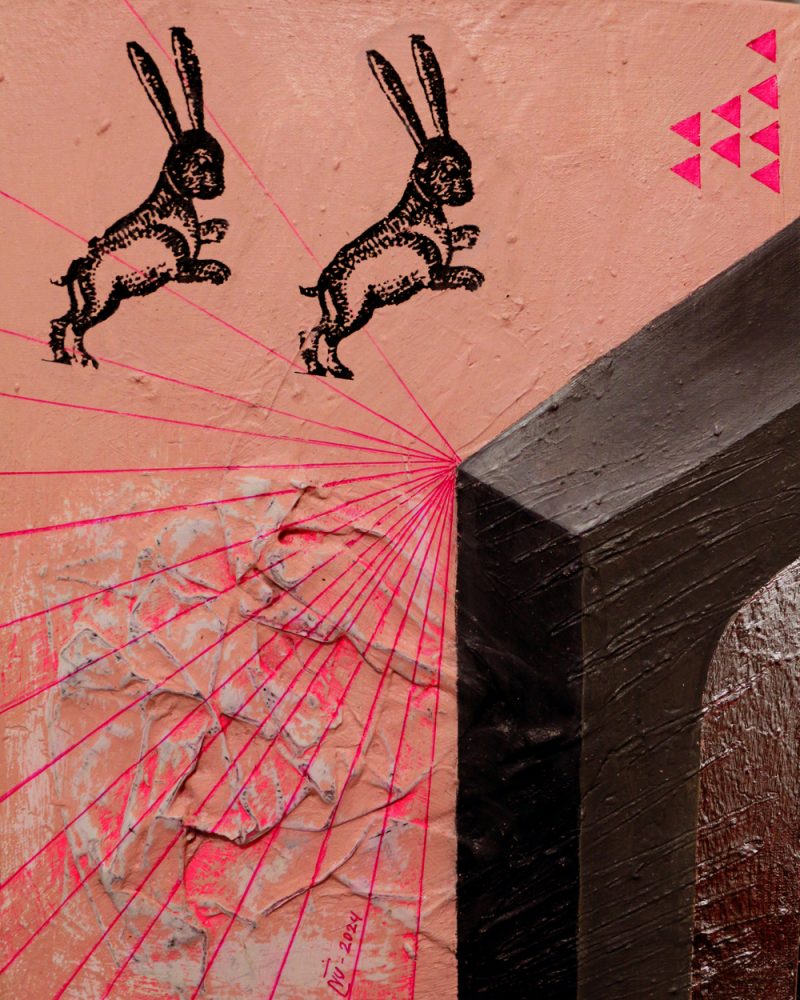
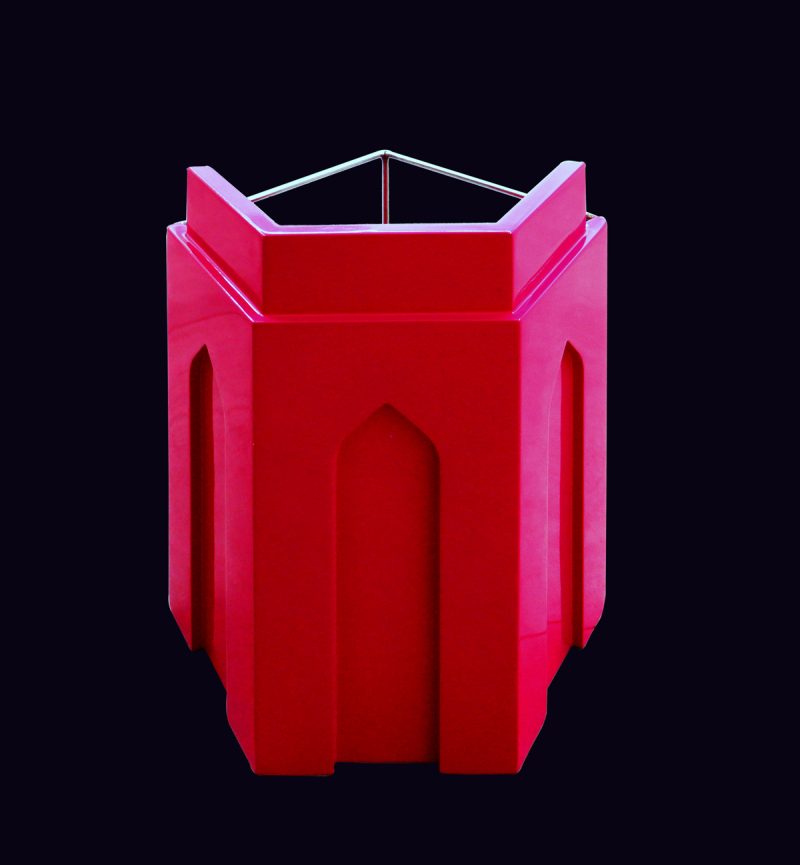
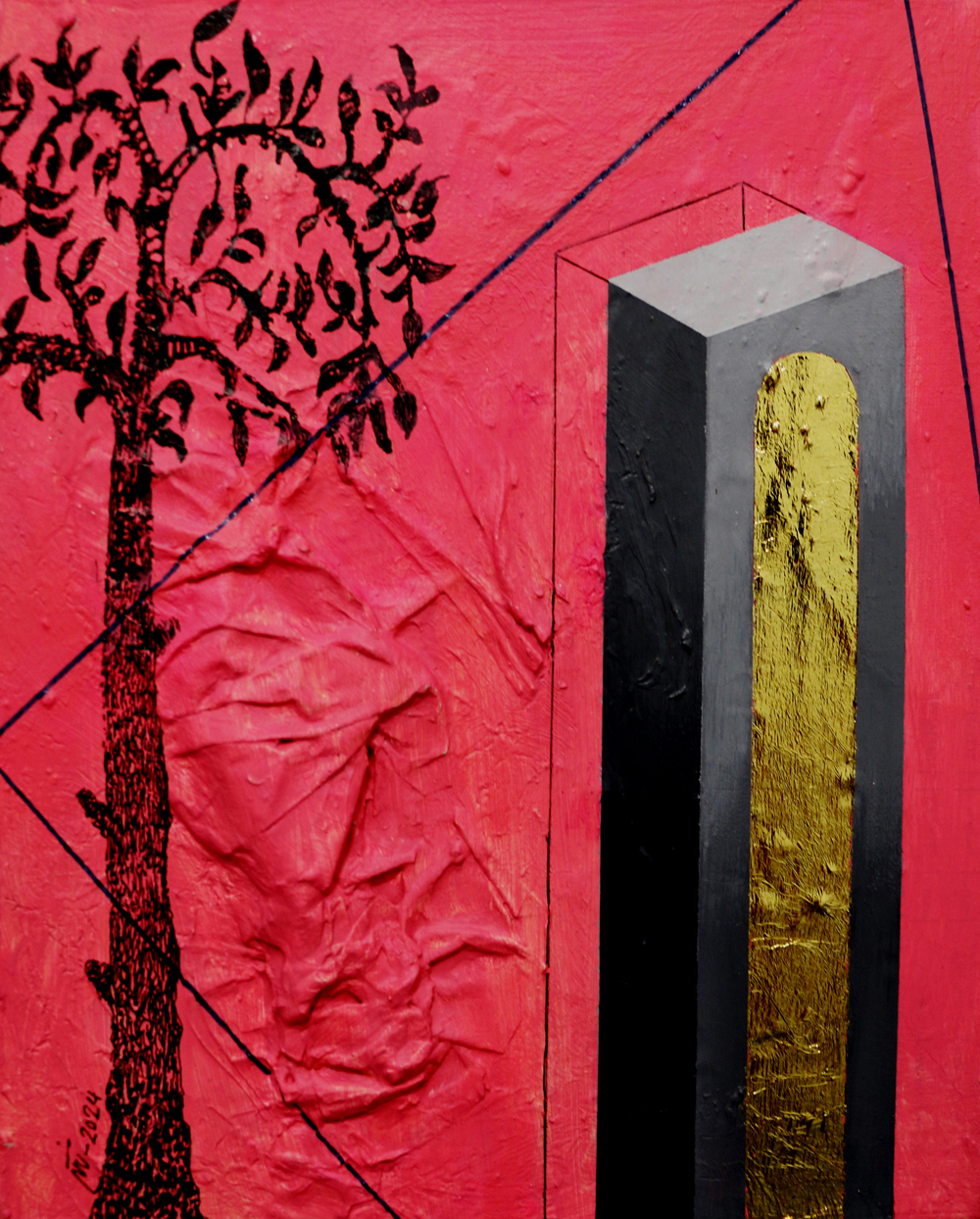
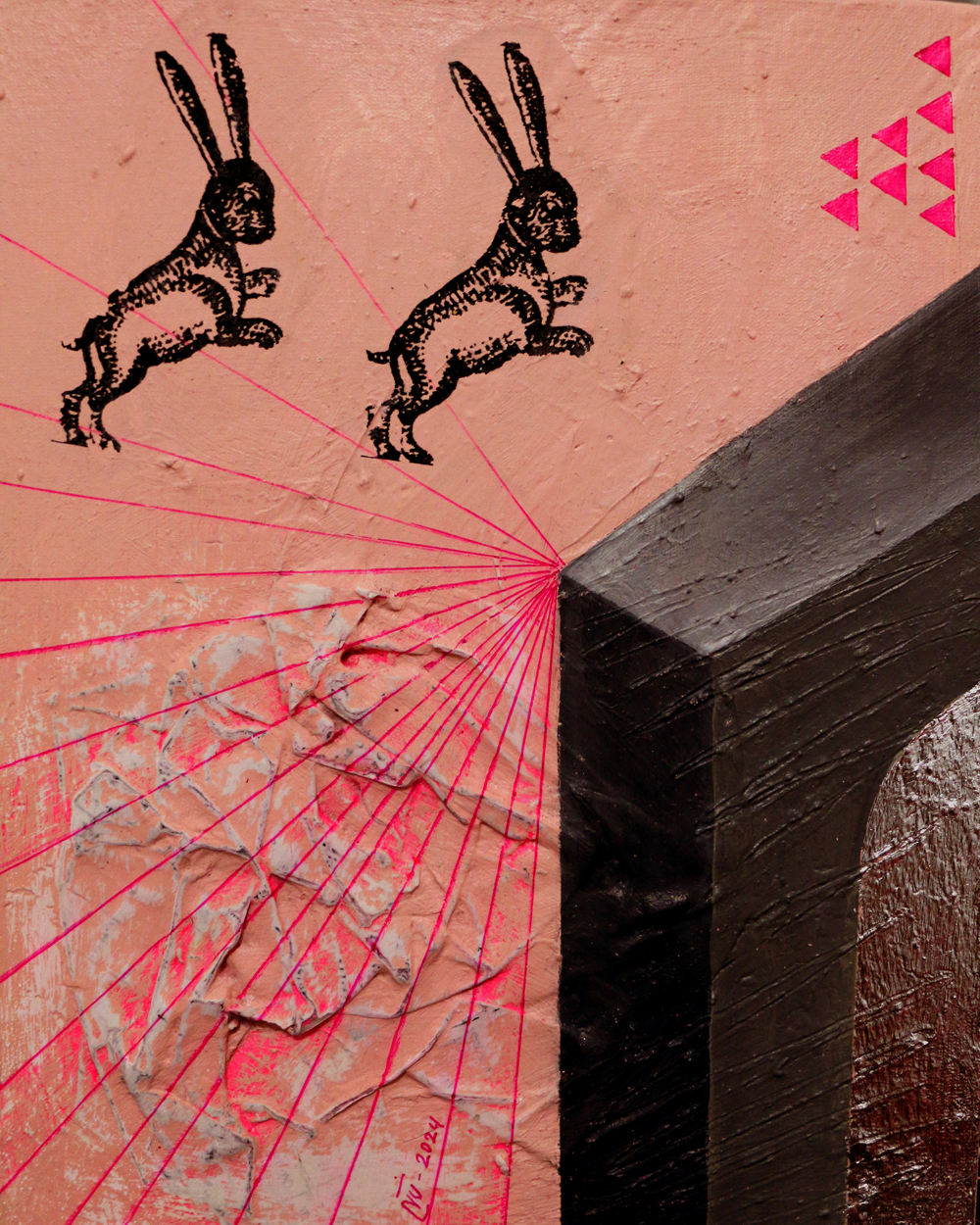
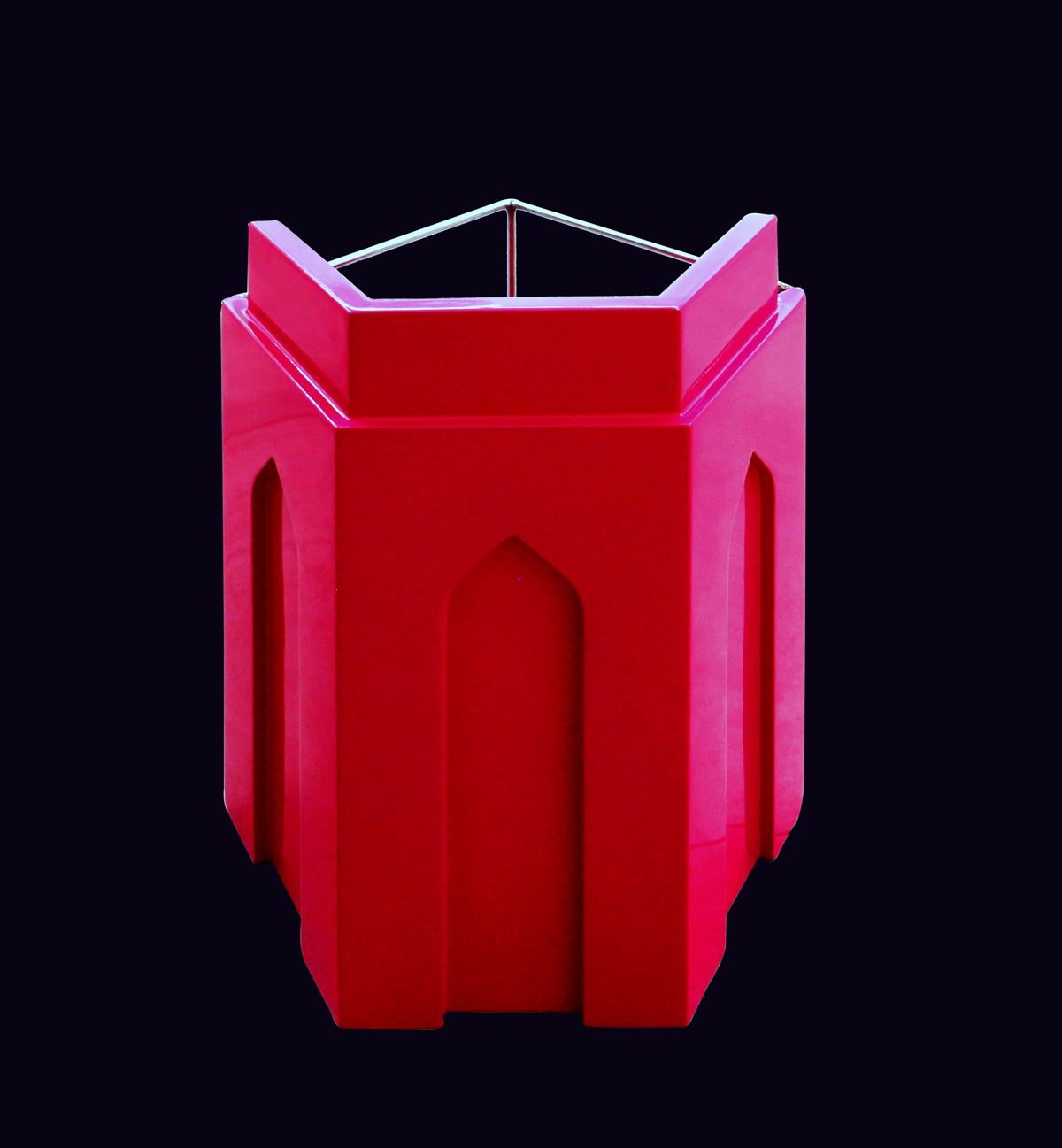
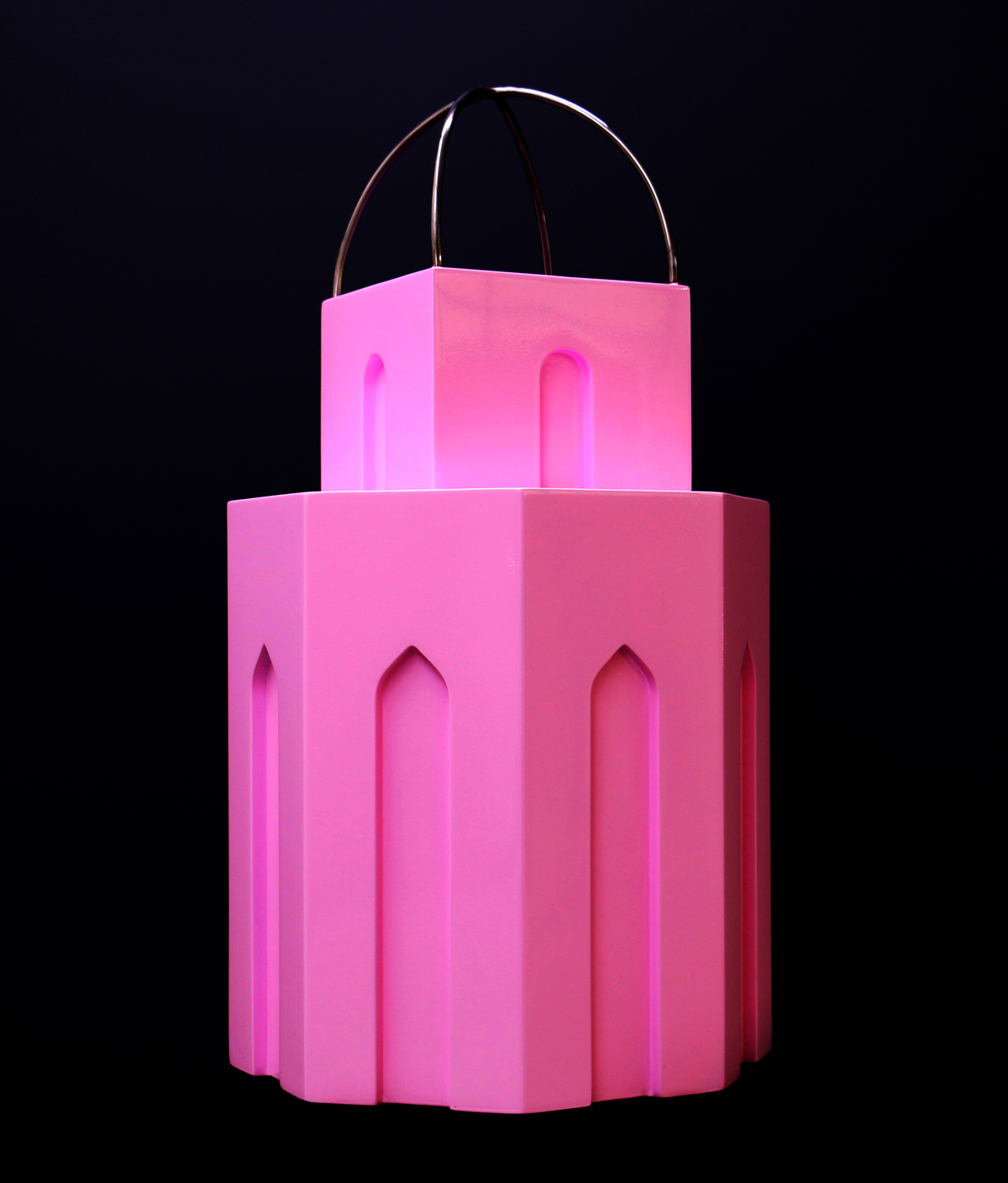
According to the theory of neuroplasticity, the human brain can be imagined as a plastic unit. A plastic is a material which is resistant against deformation, flexible in form and can also explode and annihilate itself from within. This concept means the power of taking forms and changing in response to various environmental situations, and it only doesn't refer to flexibility in various environmental situations.
Understanding this concept has completely changed my attitude about the surrounding world and has opened the doors in my mind to new fantasies. The brain, which has always been seen as rigid and fixed, now appears soft and flexible to me. Furthermore, it can be concluded that all that is in relation with the brain, can have plastic behavior. Historic situations, if their rigidity is kept, will be transformed into painful and torturous wounds. But if they destroy themselves from within and take on new forms, they will become new, contemporary events. Each person can, based on their own experiences, have different views on historic events. People with plastic brains have the capability to make their previous experiences more meaningful and use them for a correct understanding of history and view it as a dynamic and changeable reality.
Skills
- نقاشی